|
Australia’s social enterprise sector holds a quiet kind of impact that is easy to miss. We often notice the visible measures first: jobs created, revenue earned, contracts won, investment raised, numbers reached. These things matter. But they are not the whole story. Sometimes the impact is one person carrying another person’s tool into a community, where something human opens up between people. If you walked past the moment in real life, you might not notice it. A group of people sitting at a table. A card being turned over. A memory being shared. Someone listening. Someone hearing another person’s inner world for the first time. But these small moments matter. Molly and I met Dr Bibiana Chan last year at the SECNA Social Enterprise Festival. Bibi is a Sydney-based mental health researcher and creative entrepreneur whose work through Community Flower Studio explores creativity, wellbeing and social connection. Bibi later took our Up To Us cards to an intergenerational pot-luck lunch and board game gathering at her church. A few men in their 70s and 80s joined in. Then someone picked the card with colourful marbles and they began sharing their favourite childhood games. One person, born in South Africa, remembered cutting holes into a shoe box to create a mini-golf game with a ruler and marbles. Another, born in Hong Kong, remembered picking marbles out of a basin of water using chopsticks. Someone from New Zealand remembered drawing circles with chalk and flicking marbles out of them. Another person, born in Germany, remembered building homemade marble runs from paper tubes. Bibi later described it as: “The best social connection scene I’ve ever come across!” The marble card is a photo of my dad’s childhood marbles. Dad is 79 now, so those marbles belong to the same childhood era as the older people sitting at Bibi’s table.  Dad's marbles (c) Image taken by Fiona McIntosh Dad’s marbles in the 1950s Dad started collecting marbles when he was 10. He bought them from Woolworths back when marbles were sold loose, one by one. His mum sewed him a small bag so he could carry some of them to school in Queanbeyan. But never all of them. Carrying your whole marble collection to school would have been like carrying a gold mine you could lose in an instant. At school, children drew large circles on the ground and flicked marbles toward the centre, trying to knock each other’s marbles out. Dad never played “for keeps” though. There was a girl named Dianne Kelly who was too good at the game, and he didn’t want to risk losing the marbles he had spent so long collecting. At night, Dad would lie on the lounge room floor listening to the radio and count his marble collection over and over again. Marbles were small social objects children carried between home and school. Things to trade, compare, admire, play with and gather around together.  Image by nikitabuida https://www.magnific.com/author/nikitabuida Mum’s recorder club in the 1960s When Mum was a child, she moved schools often because my grand-dad was in the navy. Arriving at a new school meant arriving without established friendships, familiar faces, or the ease that comes from already knowing where you fit. When Mum was 11, her parents bought her and her younger sister each a recorder to take to their new school in Blacktown. At lunchtime, they played their recorders together in the playground. Other children noticed the music and gathered around. They had never seen or heard a recorder before. The unfamiliar object created curiosity and gave other children a reason to approach. After a few days, a music teacher noticed children gathering around Mum and her sister. The school bought recorders and started a recorder club. The recorder club still exists to this day. The recorder did not do everything. But it helped make it easier to invite other kids in.  Molly's elastic (c) Image taken by Fiona McIntosh Molly’s elastics in 2019 When my daughter Molly was six, her friends at school told her she could not play with them anymore. She was spending lunchtimes alone. She went to friendship club, but mostly drew pictures because she felt too shy to make friends. She often didn’t want to go to school. So Molly and I made a simple game at home written on scraps of paper to think of ways to make new friends. That was the first ever version of what later became U Shape Us. One of the ideas was to take an elastic to school and ask children to play. Elastics is a jumping game. A long tied piece of elastic is placed around two people’s ankles, while a third person jumps in and out in a pattern. It gets harder as the elastic moves higher. It was a game my mum had played. I had played it too in the 1980s. And then Molly took one to school. She invited three other children to play. And they did. Then other children started joining in. Some brought their own elastics. The school eventually bought elastics too. Molly felt more secure in going to school and her attendance picked up again. She had something to bring. Something to offer. A way to invite others without having to walk up and say, “Will you be my friend?” The elastic made it easier to invite other kids in. It helped her move from being alone to being in play. And through those playground connections, she met another child who became, and remains, a very close friend seven years later.  Handmade paper dolls. Image by @sakrie2806 (Magnific) Small objects, big invitations
Since then, I have heard other instances where a small toy or object from home became the starting point for new friendships in the playground. At the Alt:Games Festival in Sydney, a young woman told me about drawing paper dolls with friends at school in the Philippines, cutting out outfits and sharing them until the activity grew into a small lunchtime club. They bought a bag of rubber bands from home which they threaded together to make long elastics for their own jumping games. These objects helped people remember, invite, imagine and belong. Small, tangible things can make invitation easier, safer and more visible. They give people, young and old, something to do together before they know each other well. They reduce the social risk of reaching out. A child does not have to walk up and say, “Will you be my friend?” They can say, “Do you want to play elastics?” An older person does not have to begin by explaining who they are. They can pick up a card and say, “I remember these.” The object is not magic. The conditions around it matter. So do the invitations and responses around it. But the object can make the first step feel possible. Who feels safe enough to invite others in? Not everyone. Some children are already isolated. Some have been rejected before. Some are anxious, shy, neurodivergent, new to a school, grieving, excluded, or unsure of the rules of the social world around them. Not every child can confidently walk into a group and ask to join. Sometimes children need smaller, safer ways to invite others in. Recently, I noticed a discussion about some schools not allowing toys from home, and it made me realise something else too. Many of the small invitation pathways that once helped children initiate connection with each other are quietly disappearing from schools. Small things children once carried between home and school that gave them a way to approach each other without needing the perfect words. And if these small pathways into invitation are disappearing, I think many families are left wondering how children who struggle socially are meant to find their way in. Of course schools are responding to real challenges: distraction, inequity, overstimulation, conflict, loss, classroom pressure and increasingly complex student needs. I am not suggesting we simply “bring back the marbles,” even though part of me feels sad imagining how many small childhood rituals of invitation may be disappearing. But it did leave me wondering: If these informal pathways into belonging are disappearing, what is replacing them? Not every child finds their way into social life through competitive sport or large-group playground culture. Some children need smaller, quieter, side-by-side ways of connecting. Some need objects, shared interests, imagination, or low-risk invitations. Research increasingly shows that children’s sense of belonging is closely connected to school attendance, wellbeing and mental health. When children feel socially unsafe, invisible, excluded or unable to participate meaningfully in the life of a school, attending can become emotionally exhausting. A recent study on school belonging and attendance made me think differently about these small playground invitations too. School belonging, mental health and attendance study Perhaps this means belonging is not only something we hope children eventually feel after they arrive at school. Perhaps belonging is part of what helps children feel able to come at all. If belonging and friendship formation are so deeply connected to attendance, wellbeing and inclusion, what happens when some of the small invitation pathways children once carried between home and school disappear? What might it look like to create more supported pathways for children to initiate connection themselves? Perhaps that could include:
Not every child needs the same doorway into belonging. Perhaps part of inclusion is making sure there are many different ways to enter. Inclusion is also about whether children have accessible, visible and low-risk ways to initiate connection, contribute something valued, and shape shared experiences with others. In many ways, this is part of what shaped the creation of U Shape Us in the first place. Not simply the idea of a game, but the question underneath it: How do we help children feel safe enough to invite others in? Perhaps part of the answer is creating more intentional opportunities for children to shape the social life of their schools themselves.
Because belonging is not only about a child’s individual confidence or resilience. It is structural. And perhaps some of the structures that matter most are the small invitations children are allowed to carry in their backpacks between home and school.
2 Comments
26/5/2026 10:31:00 am
This is an insightful reflection on “Who feels safe to invite others in?” and the possible pathways for primary school-aged children to connect with peers. 5/6/2026 06:07:37 pm
These programs provide medically supervised care and therapy for adolescents struggling with substance abuse. Treatment addresses addiction while supporting emotional and behavioral recovery. Leave a Reply. |
Connect with U Shape Us
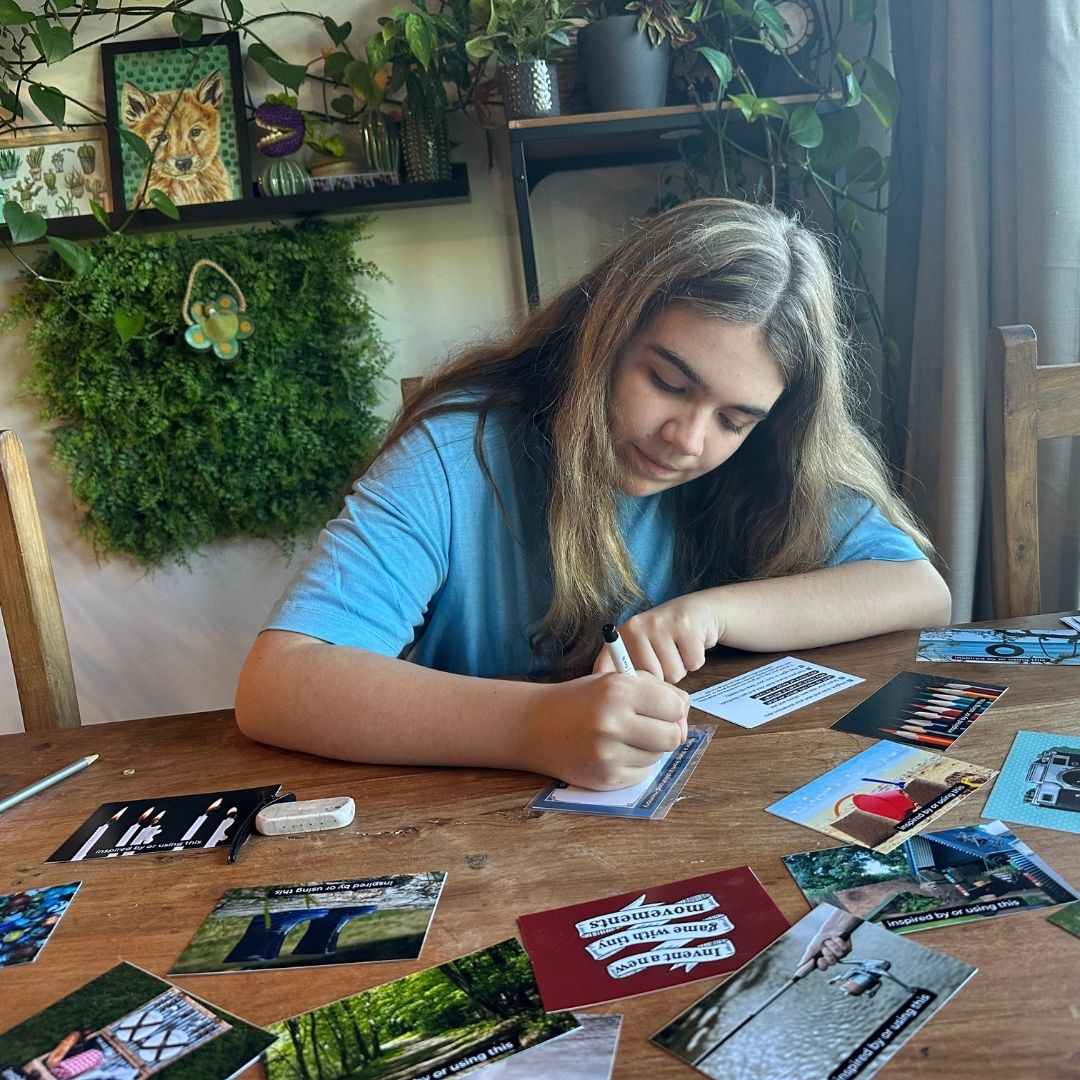

U Shape Us card games are designed to spark imagination and build connection and belonging across all ages. |
Sign up to our newsletter
|
We acknowledge the Ngunnawal and Ngambri people, Traditional Custodians of the land on which we live, learn and work.
We pay our respects to their Elders, past and present.
Copyright © 2023 | Fiona McIntosh | ABN: 12 955 363 996 | U Shape Us | All Rights Reserved
Privacy Policy | Terms and Conditions | Website Disclaimer
We pay our respects to their Elders, past and present.
Copyright © 2023 | Fiona McIntosh | ABN: 12 955 363 996 | U Shape Us | All Rights Reserved
Privacy Policy | Terms and Conditions | Website Disclaimer
Site powered by Weebly. Managed by CheaperDomains.com.au