|
Australia’s social enterprise sector holds a quiet kind of impact that is easy to miss. We often notice the visible measures first: jobs created, revenue earned, contracts won, investment raised, numbers reached. These things matter. But they are not the whole story. Sometimes the impact is one person carrying another person’s tool into a community, where something human opens up between people. If you walked past the moment in real life, you might not notice it. A group of people sitting at a table. A card being turned over. A memory being shared. Someone listening. Someone hearing another person’s inner world for the first time. But these small moments matter. Molly and I met Dr Bibiana Chan last year at the SECNA Social Enterprise Festival. Bibi is a Sydney-based mental health researcher and creative entrepreneur whose work through Community Flower Studio explores creativity, wellbeing and social connection. Bibi later took our Up To Us cards to an intergenerational pot-luck lunch and board game gathering at her church. A few men in their 70s and 80s joined in. Then someone picked the card with colourful marbles and they began sharing their favourite childhood games. One person, born in South Africa, remembered cutting holes into a shoe box to create a mini-golf game with a ruler and marbles. Another, born in Hong Kong, remembered picking marbles out of a basin of water using chopsticks. Someone from New Zealand remembered drawing circles with chalk and flicking marbles out of them. Another person, born in Germany, remembered building homemade marble runs from paper tubes. Bibi later described it as: “The best social connection scene I’ve ever come across!” The marble card is a photo of my dad’s childhood marbles. Dad is 79 now, so those marbles belong to the same childhood era as the older people sitting at Bibi’s table.  Dad's marbles (c) Image taken by Fiona McIntosh Dad’s marbles in the 1950s Dad started collecting marbles when he was 10. He bought them from Woolworths back when marbles were sold loose, one by one. His mum sewed him a small bag so he could carry some of them to school in Queanbeyan. But never all of them. Carrying your whole marble collection to school would have been like carrying a gold mine you could lose in an instant. At school, children drew large circles on the ground and flicked marbles toward the centre, trying to knock each other’s marbles out. Dad never played “for keeps” though. There was a girl named Dianne Kelly who was too good at the game, and he didn’t want to risk losing the marbles he had spent so long collecting. At night, Dad would lie on the lounge room floor listening to the radio and count his marble collection over and over again. Marbles were small social objects children carried between home and school. Things to trade, compare, admire, play with and gather around together.  Image by nikitabuida https://www.magnific.com/author/nikitabuida Mum’s recorder club in the 1960s When Mum was a child, she moved schools often because my grand-dad was in the navy. Arriving at a new school meant arriving without established friendships, familiar faces, or the ease that comes from already knowing where you fit. When Mum was 11, her parents bought her and her younger sister each a recorder to take to their new school in Blacktown. At lunchtime, they played their recorders together in the playground. Other children noticed the music and gathered around. They had never seen or heard a recorder before. The unfamiliar object created curiosity and gave other children a reason to approach. After a few days, a music teacher noticed children gathering around Mum and her sister. The school bought recorders and started a recorder club. The recorder club still exists to this day. The recorder did not do everything. But it helped make it easier to invite other kids in.  Molly's elastic (c) Image taken by Fiona McIntosh Molly’s elastics in 2019 When my daughter Molly was six, her friends at school told her she could not play with them anymore. She was spending lunchtimes alone. She went to friendship club, but mostly drew pictures because she felt too shy to make friends. She often didn’t want to go to school. So Molly and I made a simple game at home written on scraps of paper to think of ways to make new friends. That was the first ever version of what later became U Shape Us. One of the ideas was to take an elastic to school and ask children to play. Elastics is a jumping game. A long tied piece of elastic is placed around two people’s ankles, while a third person jumps in and out in a pattern. It gets harder as the elastic moves higher. It was a game my mum had played. I had played it too in the 1980s. And then Molly took one to school. She invited three other children to play. And they did. Then other children started joining in. Some brought their own elastics. The school eventually bought elastics too. Molly felt more secure in going to school and her attendance picked up again. She had something to bring. Something to offer. A way to invite others without having to walk up and say, “Will you be my friend?” The elastic made it easier to invite other kids in. It helped her move from being alone to being in play. And through those playground connections, she met another child who became, and remains, a very close friend seven years later.  Handmade paper dolls. Image by @sakrie2806 (Magnific) Small objects, big invitations
Since then, I have heard other instances where a small toy or object from home became the starting point for new friendships in the playground. At the Alt:Games Festival in Sydney, a young woman told me about drawing paper dolls with friends at school in the Philippines, cutting out outfits and sharing them until the activity grew into a small lunchtime club. They bought a bag of rubber bands from home which they threaded together to make long elastics for their own jumping games. These objects helped people remember, invite, imagine and belong. Small, tangible things can make invitation easier, safer and more visible. They give people, young and old, something to do together before they know each other well. They reduce the social risk of reaching out. A child does not have to walk up and say, “Will you be my friend?” They can say, “Do you want to play elastics?” An older person does not have to begin by explaining who they are. They can pick up a card and say, “I remember these.” The object is not magic. The conditions around it matter. So do the invitations and responses around it. But the object can make the first step feel possible. Who feels safe enough to invite others in? Not everyone. Some children are already isolated. Some have been rejected before. Some are anxious, shy, neurodivergent, new to a school, grieving, excluded, or unsure of the rules of the social world around them. Not every child can confidently walk into a group and ask to join. Sometimes children need smaller, safer ways to invite others in. Recently, I noticed a discussion about some schools not allowing toys from home, and it made me realise something else too. Many of the small invitation pathways that once helped children initiate connection with each other are quietly disappearing from schools. Small things children once carried between home and school that gave them a way to approach each other without needing the perfect words. And if these small pathways into invitation are disappearing, I think many families are left wondering how children who struggle socially are meant to find their way in. Of course schools are responding to real challenges: distraction, inequity, overstimulation, conflict, loss, classroom pressure and increasingly complex student needs. I am not suggesting we simply “bring back the marbles,” even though part of me feels sad imagining how many small childhood rituals of invitation may be disappearing. But it did leave me wondering: If these informal pathways into belonging are disappearing, what is replacing them? Not every child finds their way into social life through competitive sport or large-group playground culture. Some children need smaller, quieter, side-by-side ways of connecting. Some need objects, shared interests, imagination, or low-risk invitations. Research increasingly shows that children’s sense of belonging is closely connected to school attendance, wellbeing and mental health. When children feel socially unsafe, invisible, excluded or unable to participate meaningfully in the life of a school, attending can become emotionally exhausting. A recent study on school belonging and attendance made me think differently about these small playground invitations too. School belonging, mental health and attendance study Perhaps this means belonging is not only something we hope children eventually feel after they arrive at school. Perhaps belonging is part of what helps children feel able to come at all. If belonging and friendship formation are so deeply connected to attendance, wellbeing and inclusion, what happens when some of the small invitation pathways children once carried between home and school disappear? What might it look like to create more supported pathways for children to initiate connection themselves? Perhaps that could include:
Not every child needs the same doorway into belonging. Perhaps part of inclusion is making sure there are many different ways to enter. Inclusion is also about whether children have accessible, visible and low-risk ways to initiate connection, contribute something valued, and shape shared experiences with others. In many ways, this is part of what shaped the creation of U Shape Us in the first place. Not simply the idea of a game, but the question underneath it: How do we help children feel safe enough to invite others in? Perhaps part of the answer is creating more intentional opportunities for children to shape the social life of their schools themselves.
Because belonging is not only about a child’s individual confidence or resilience. It is structural. And perhaps some of the structures that matter most are the small invitations children are allowed to carry in their backpacks between home and school.
2 Comments
 Molly and U Shape Us, set up and ready to welcome people in Molly and I were thrilled to be part of Alt Games Festival in Sydney, hosted by the Powerhouse Museum on 18–19 April 2026. We were set up in the foyer of PHIVE in Parramatta, with U Shape Us, a simple imagination game using four prompt cards to help people invent and share new ways of connecting, running across three tables. Over the weekend, 96 people of all ages came and played, including 17 family groups, groups of adults, and individuals from teens to seniors, a mix of non-gamers, light gamers, and hobby gamers. It was a great opportunity to spend time with the community and Powerhouse staff, and to explore the role creativity can play in helping people feel a sense of belonging. While the game itself didn’t require facilitation, actively welcoming people into a short 10-minute experience made a noticeable difference. Both we and the Powerhouse team found that a simple, human invitation often shaped whether people stepped in at all. It highlighted how much a game experience depends on the conditions we create, not just the activity itself.  Playing U Shape Us at Alt Games 2026 How people experienced U Shape Us I asked people about their impressions of U Shape Us and where they saw it being of use. Some of the reflections from participants included: The low barrier to entry, the lack of competition and pressure to perform, was seen as important. Several people mentioned it felt like a gentle way to start creating without pressure. One person described it as a useful “warm-up” activity, even for confident creatives, because it helped them step outside their usual thinking patterns. Another described it as a space where you can be vulnerable with creativity, even if you feel you’re not creative or want to be more creative. Ideas that travel beyond the game Several young adults across different play groups said they saw it as a useful prompt tool for creative work, like writing, songwriting, and art. Others saw potential in workplace contexts, particularly as an easy entry point for brainstorming. A few also spoke about its potential in design, marketing, and business contexts, as a way of generating new ideas and stepping outside habitual ways of thinking. The space between activities and games U Shape Us was described as sitting somewhere between conversation cards and an imagination game, something familiar, but also different in how it opened up thinking. One person mentioned it was very different from traditional conversation cards. They appreciated that it didn’t require sharing personal memories, which they found uncomfortable, especially when those memories held grief. It felt more optional, more invitational, and focused on idea sharing. One person mentioned it sat somewhere between conversational card activities and imagination games like Dixit, Mysterium, and Detective Club. When ideas become relational We also had some interesting responses to the “person” prompt card, where players incorporate people from diverse backgrounds into their connection ideas. For some, it opened up a more emotional dimension than they had expected, particularly in thinking about others. One person described feeling quite moved imagining another person’s thoughts and feelings within their idea, something that was new to them. It brought to mind how we perceive and imagine other people, and how even simple prompts can shift that. For others, it raised questions about whether they preferred to centre themselves. It led to thoughtful conversations about intention, values, and flexibility in the design, as well as how we imagine and relate to other people. Supporting participation in community Beyond the immediate play experience, some broader conversations also emerged about similar creative, prompt-based participatory processes, like A Thousand Ways: an Encounter. A number of players also saw potential in civic and community contexts, including council-supported activations, universities, early childhood settings, and schools, as a way of hearing the voices of citizens, children, and young people in shaping connection activities to intentionally increase belonging. One participant reflected that it could be a powerful way for 4- and 5-year-olds starting school to begin thinking about connection and inviting others in, even from the earliest years, highlighting its potential as a simple entry point into participatory ways of shaping community.  Handmade paper dolls. Image by @sakrie2806 (Freepik) Starting small One moment that has really stayed with me was a conversation with a young woman about what the cards reminded her of. She shared that they reminded her of a shared connection activity she had informally started at school in the Philippines when she was about eight. They didn’t have much, so she and her friends would draw paper dolls, create outfits, cut them out, and share them. Over time, that grew into a small club with more children joining in. She also spoke about making long elastics by weaving together smaller ones so they could play elastics (the jumping game), and how she hadn’t realised until our conversation that this was something children do across many cultures. It struck me because it echoed other moments I’ve seen. Small, simple, low-cost things, often started by one or two people, becoming something shared through a small invitation. It made me wonder again about the role of simple prompts or materials in creating the conditions for that kind of organic, peer-led activity, particularly in school settings. What becomes possible? Overall, it felt like people seemed to understand the value of U Shape Us quite quickly once they experienced it. The value seems to sit less in the object itself and more in the conditions it creates. There’s something in these kinds of approaches about creating conditions where people can express different parts of themselves, not always visible in everyday interaction. These are the questions I’ve been left sitting with::
Being part of ALT Games brought a quiet sense of coming full circle. Some of the original mechanics were inspired by non-linear thinking techniques from Thinkertoys, a book I picked up at the Powerhouse Museum in 2018. To be back in this space, sharing something that has grown from that seed, felt a little like an idea returning home and setting out again in new ways. I’m grateful to the Powerhouse Museum, Michael Pham, and the events team and volunteers for creating the conditions that made it possible for us to share our ideas, and to the 96 people who stepped in and shared their ideas with each other. Because you shape us. Warmly, Fiona
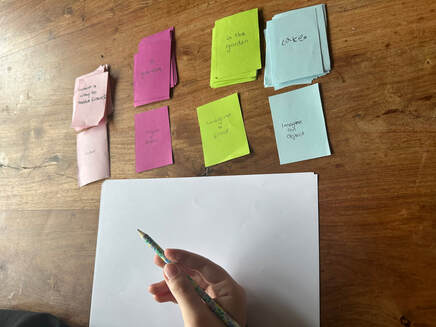
A Canberra story about the past we inherit, the future we imagine, and a very large fish. Back in 2019, Molly was six. She was struggling to go to school. She felt shy. She felt like she didn’t belong. Many mornings we sat in the car park because she was too upset to go inside. At home, we started playing with an idea. We made a simple prompt game using scraps of paper. We would flip over cards and brainstorm ways she might make friends. One of the ideas she came up with was taking an elastic to school. She invited other kids to play. They joined in. Then they started bringing their own elastics. Eventually the school brought elastics too. That moment made me wonder: what if imagination could help people feel like they belong more? That was the beginning of our first game U Shape Us.
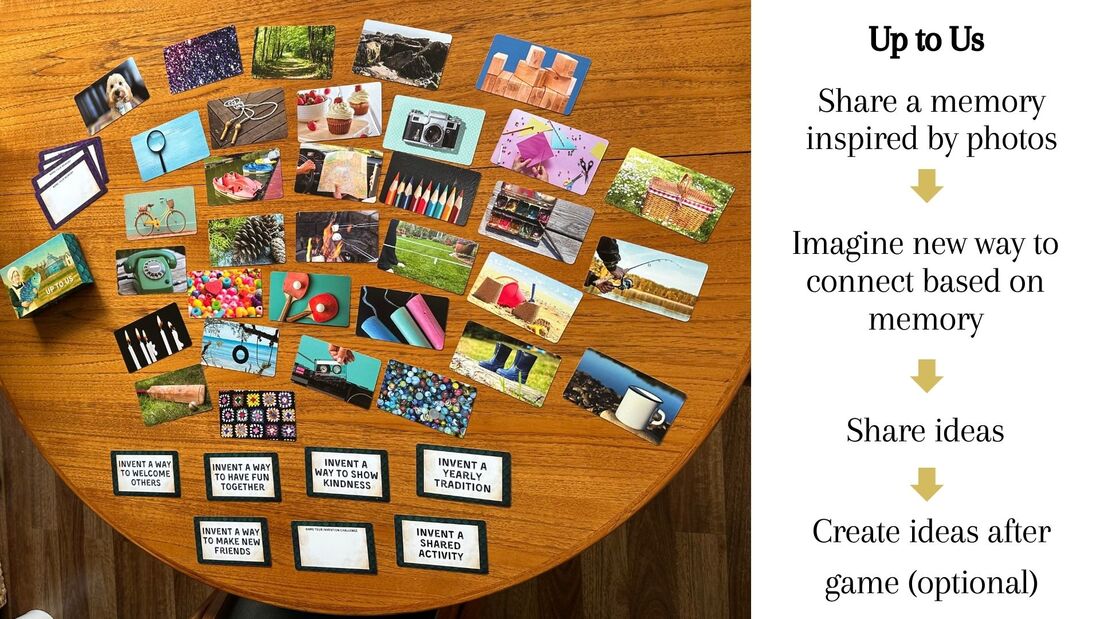
Creativity as a bridge to belonging Over five years, U Shape Us grew into a simple connection game. You flip over prompts. You come up with connection ideas. You draw them. You ask, “What do you like about my idea? How can we make it better? How could we bring it to life?” It started at our kitchen table. Now schools and community programs are using it across Australia and beyond. One of the most meaningful moments was when Molly played it with her grandparents. The photo prompts had us talking for ages about how Poppy played marbles at school and Nan played elastics. I had played those same games as a child. in the 1980s. It struck me that memory travels. Games travel — physically, socially, generationally. And belonging can grow wherever people gather to share them. We kept noticing when people share memories and ideas, you begin to see their inner world. You relate differently. You become more curious. For instance when our game was played at Gordon Primary School in Canberra one child shared: “This game can really help you… it gets everything inside of you — your doubts, your enjoyment — onto the page, so you can make new friends and show yourself to others the way they never saw you before.” Another said, “It makes you feel like I can actually share my ideas… It helps to make you brave.” Designing for older people In 2023, we were in the final stages of testing U Shape Us when I had coffee with social researcher Dr Hugh Mackay. He spoke about loneliness. About older people in aged care who hadn’t had a visitor in years. He encouraged us to explore our work further for older people. That conversation stayed with me. He connected me with Samantha Herron, who tested our original game in her Seniors and Teens Empathy Program in Sydney. The feedback was thoughtful and practical. Bigger cards. Simpler rules. A slower pace. A few months later, when we started selling U Shape Us at markets, older people would stop and talk with us. When they heard the game was about belonging, several told us they felt a low sense of belonging in their communities, in their workplaces, and sometimes even in their own families. One older woman said to me, “You should develop a game for us. Older people have wonderful imaginations, you know.” I began to imagine the form of our new game, designed with older people in mind. We didn’t have the means at that point, only the desire. But when you begin imagining something into being, you start to notice pathways. Listening and testing You In 2024, with support from a Start Some Good fellowship and a loan from the June Canavan Foundation, we took the leap and developed a new game. We tested it with families, with seniors’ groups through Woden Community Services, and with the Multicultural Communities Council of Illawarra. We spoke with community development workers and aged care staff. We asked what worked. We changed what didn’t. What people loved most was simple: sharing memories, listening to stories, learning new things about people they already knew. Some of the connection ideas that came out of sessions were small and joyful. A knitting group with music from the 80s. A social picnic with backyard cricket. A mini-bus photography tour. Not grand plans. Just sparks. Each game was different. Each table felt different. We launched Up to Us in August 2025. You can see a video of that here. What Up To Us is
Seeing each other At its heart, Up To Us is not really about cards. It’s about what happens when we pause long enough to imagine someone else’s memories and ideas. Research in social psychology, including the work of Professor Susan Fiske on dehumanisation and social perception, has shown that when we imagine another person’s thoughts and feelings, we are more likely to see them as fully human. That insight shaped the original design of U Shape Us, and it remains central to Up To Us. When grandchildren hear their grandparents talk about marbles, or cassette tapes, or leaving gumboots out for St Nicholas, something shifts. Older people are no longer “from another time.” They are rich with fascinating stories and interesting ideas. And when older people listen to the inner worlds of younger generations, that shift happens there too. Young people are no longer reduced to screens or stereotypes. They are thoughtful, creative, and trying to make sense of the world. Sharing memories and stories across generations, across cultures, across difference, humanises us. The Murrumbidgee cod
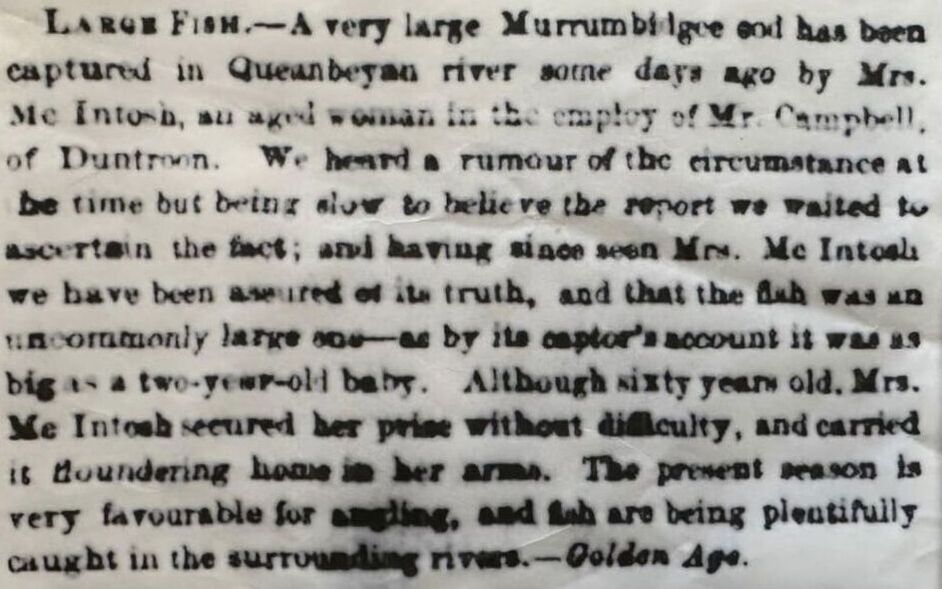
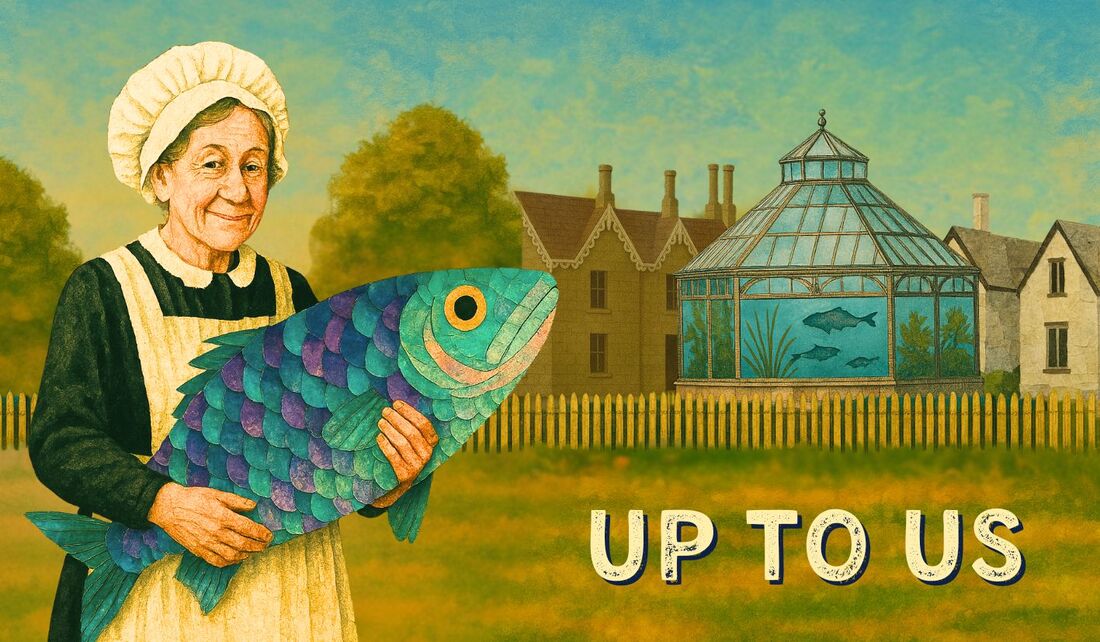
In 1862, my four-times great-grandmother, Christina McIntosh, who lived in the Canberra region and was a servant at Duntroon, was reported in a local newspaper for catching a Murrumbidgee cod the size of a two-year-old and carrying it home alive.
It is a matter-of-fact report. No mythology. Just an account of strength and determination. When she appeared in my mind as the character for the front of the Up To Us game box, I thought about the choices she made and the values that shaped the generations that followed. I think about the conversations my parents and grandparents had around their kitchen tables. The way stories were shared without hurry. The way listening mattered. And I think about the choices we make now. What do we carry forward? What do we pass on? As technology accelerates, attention fragments, families live farther apart and public life feels more divided, I worry that the ordinary practice of sitting and truly listening to one another will become rarer. Up To Us is a small response to that concern. A way of slowing down. Of seeing each other’s inner worlds. Of remembering that imagination is not just play. It is how we recognise one another as fully human. We inherit ways of being together through our stories. And what we pass on is, in the end, up to us. In our recent community presentations, Molly and I discussed several key academic and creative works that inform and inspire our initiatives at U Shape Us. For those who wish to explore these concepts further, we've compiled a comprehensive list of these references. Each work contributes to our understanding of belonging, creativity, and active participation, providing valuable insights that shape our approach to fostering belonging through creativity.
Understanding and countering hate Geddes, L. (2009, March 18). Schools may accidentally create teen killers. New Scientist. Harris, L. T., & Fiske, S. T. (2007). Dehumanizing the lowest of the low: Neuroimaging responses to extreme out-groups. Psychological Science, 17(10), 847-853. Kahn, D (2018) White Right Meeting the Enemy - documentary Kohn, S. (2019) The Opposite of Hate : A Field Guide to Repairing our Humanity. Kohn, Sally (2018) What we can do about the culture of hate, TED Talk Wheeler, M. Fiske. S (2005) Controlling Racial Prejudice: Social-Cognitive Goals Affect Amygdala and Stereotype Activation, Psychological Science. 16(1):56-63, Blackwell Publishing Wike, T., & Fraser, M. (2009). Review of studies on shooting incidents and school aggression. Aggression and Violent Behavior, DOI: 10.1016/j.avb.2009.01.005. Belonging Allen, K., Kern, M. L., Vella-Brodrick, D., Hattie, J., & Waters, L. (2016). What Schools Need to Know About Fostering School Belonging: a Meta-analysis. Springer Science+Business Media New York. Cherry, K. (2023). A Comprehensive Guide to the Bronfenbrenner Ecological Model. McKay, H. (2018). Australia Reimagined: Towards a More Compassionate, Less Anxious Society. Pan Macmillan Australia. McKay, H. (2021). The Kindness Revolution. Pan Macmillan Australia Creativity Form, S. Kaernbach C., (2018). More Is not Always Better: The Differentiated Influence of Empathy on Different Magnitudes of Creativity. Michalko, M. (2006). Thinkertoys: A Handbook of Creative-Thinking Techniques (2nd ed.). Ten Speed Press. Yamada, K., & Besom, M. (2014). What Do You Do with an Idea? Compendium, Inc. Active Participation Hart, R. A. (1992). Children’s participation: From tokenism to citizenship. Florence, Italy: United Nations Children’s Fund International Child Development Centre. Hart, R. A. (2008). Stepping back from ‘the ladder’: Reflections on a model of participatory work with children. In Participation and Learning: Perspectives on education and the environment, health and sustainability (pp. 19–31). Netherlands: Springer. Norton, M. I., Mochon, D., & Ariely, D. (2012). The IKEA effect: When labor leads to love. Journal of Consumer Psychology, 22(3), 453-460. Thompson, L. L. (2011). Making the Team: A Guide for Managers (4th ed.). Upper Saddle River, NJ: Prentice Hall. This work refers to the Uneven Communication Effect  Hello Molly here
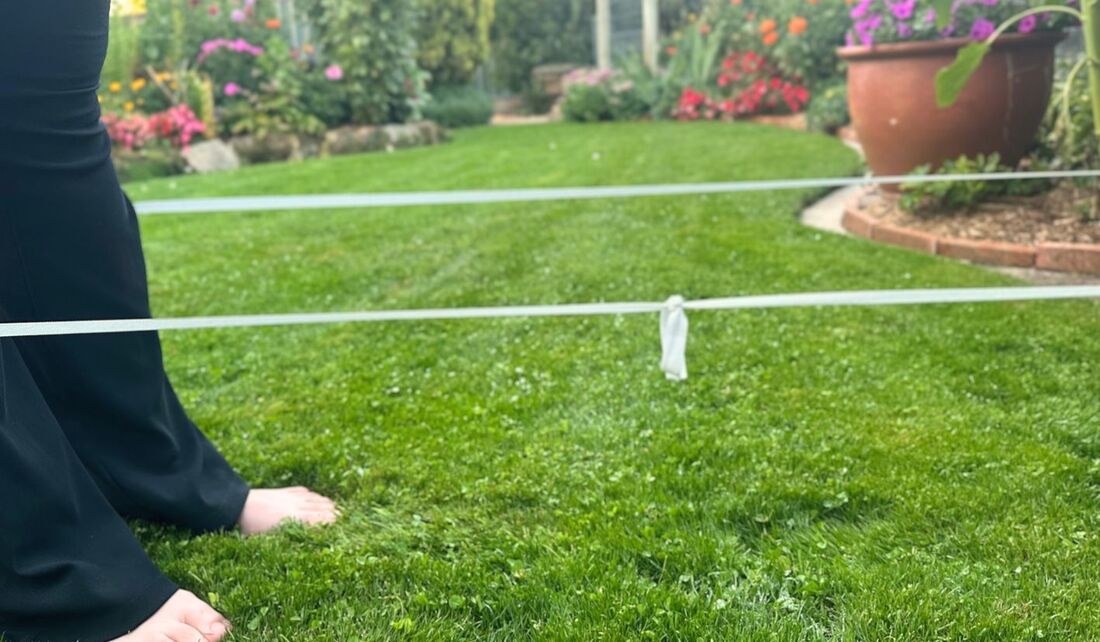
Elastics is a game where you have a long tied piece of elastic and you put it around two people's ankles, and a third person jumps over the elastic in a certain pattern. It then gets harder as you move the elastics upwards from people’s ankles, knees, thighs, hips, belly button and then underarms. You can watch this video on how to play elastics. The elastics game started in China in the 7th century. It was called Chinese Jump Rope. It has been popular for a long time - it used to be my mum’s and my nanna’s favourite game at school. It is in a lot of countries where it has different names - it's called elastics in Australia, New Zealand and Great Britain, Yoki in Canada, Rek in South Africa, Gummitwist in Germany and Jeu De L'Elastique in France. But why am I talking to you about elastics? Because it's the start of the U Shape Us story. When I was six, some kids said I couldn't play with them. I felt too shy to make new friends. So me and my mum made a simple game to think of ways to make new friends. This was the first ever version of U Shape Us. One of our ideas was to take an elastic to school and ask kids to play with me. So I took an elastic and guess what? I had kids to play with! You never know what happened next, other kids started bringing elastics and the school invested in elastics! I had started a trend. Elastics made me feel really happy as I got to be outside instead of staying indoors doing nothing and playing with people instead of being alone. I think it's popular because it is super easy and includes catchy rhymes and everyone got a go. It can help you make friends and you can imagine new rhymes for other people and you to do. Our game U Shape Us gets players to think about connection ideas using four cards - invent, person, place, thing. One of the Thing cards includes an image of elastics. So when you play our game you can imagine different and new ways to play with elastics. If you play your idea with others, you might even start your own trend. The best way to start a trend at school is to take something simple like elastics, tell your friends how to play and invite other kids to play. But please don’t force or bribe other people to play with you and just be patient. It's not a competition on who makes the best trend. But now I have a question for you. I started a trend at my school but can you start one at your school, work or club to make new friends or meet new people? It doesn't take alot to start a trend, just bring in something like elastics! Always remember, you shape us. Molly  Hello Molly here I am 11 years old and I created U Shape Us with my mum. I wanted to share what I think about creativity. I think creativity is important for kids because it helps them grow their knowledge. Being creative makes me feel happy because it fun to be creative Sometimes things stop kids from being creative. This includes being self conscious/ thinking what other people might think (which is mostly not true, it's just your thoughts) and just not giving it a go. To kids who feel this way I want to say no one is perfect at everything and as long as you try and give it a go and not let your thoughts get in the way you will surprise yourself. You might think you're not good at being creative but if you don't say that to yourself then you will be better than what you thought. Also you can change your thoughts with one three letter word. Do you know what it is? YET, yes the word yet can change something bad into something good, like i'm not good at art YET or i’m not good at dancing YET. Sometimes people are gifted at creativity and you might look at something they have done and try to be ‘better’ than them. If you feel this way I want to say again no one is perfect and some people might just be more experienced than you. I have a friend and she is amazing at drawing, me not so much and I'm a good swimmer, her not so much but i don't think i need to be amazing at drawing and she doesn't need to be good at swimming, no one is better or worse we are just good at different things . Creativity is not just about art. Creativity can be about dancing, making something (like an object, game or music), writing a book or play, acting and more. I like to make music and write short stories. I think it is important for kids to show their imaginative side because everyone can imagine things together instead of one person on their own. U Shape Us is a fun, enjoyable card game that helps kids to be creative. The game encourages players to imagine fun activities and share these ideas with others, you also draw these ideas (NON PERFECT IDEAS). U Shape Us is a game for people aged 5 and up. It’s perfect to help make new friends or break the ice towards new people. Playing U Shape Us makes me feel good because I like to show my imaginative side, I like sharing my ideas with others and hearing other people's ideas. Let's create imperfect creations. Molly. PS. Me and my mum are selling our game through a crowdfunding campaign from 22 October to 20 November 2023. You can support our campaign by liking our facebook page or subscribe here for email updates. www.ushapeus.com.au
Hello and welcome! If you're as passionate about fostering belonging, creativity, and inclusion as we are, you're in the right place. This blog is an extension of our mission: nurturing the creative spark in children to reimagine 'us.' Here, we'll share 100 impactful ideas that have shaped the very essence of 'U Shape Us.' We're excited to explore topics close to our hearts, from creativity and empathy to reducing bias and fostering inclusion. In this space, we'll also be drawing upon wisdom from TED Talks, academic journals, books, and life-changing conversations and personal experience to enrich our collective understanding of belonging and what it means to truly connect. But it's not just about us; we want to hear from you too! Your stories, your experiences, and your insights are what truly shape us. So feel free to leave comments, ask questions, and become an active part of our community. We'll also keep you in the loop with all the latest news and updates about 'U Shape Us,' including the game, resources, and much more. Stay tuned! |


Connect with U Shape Us
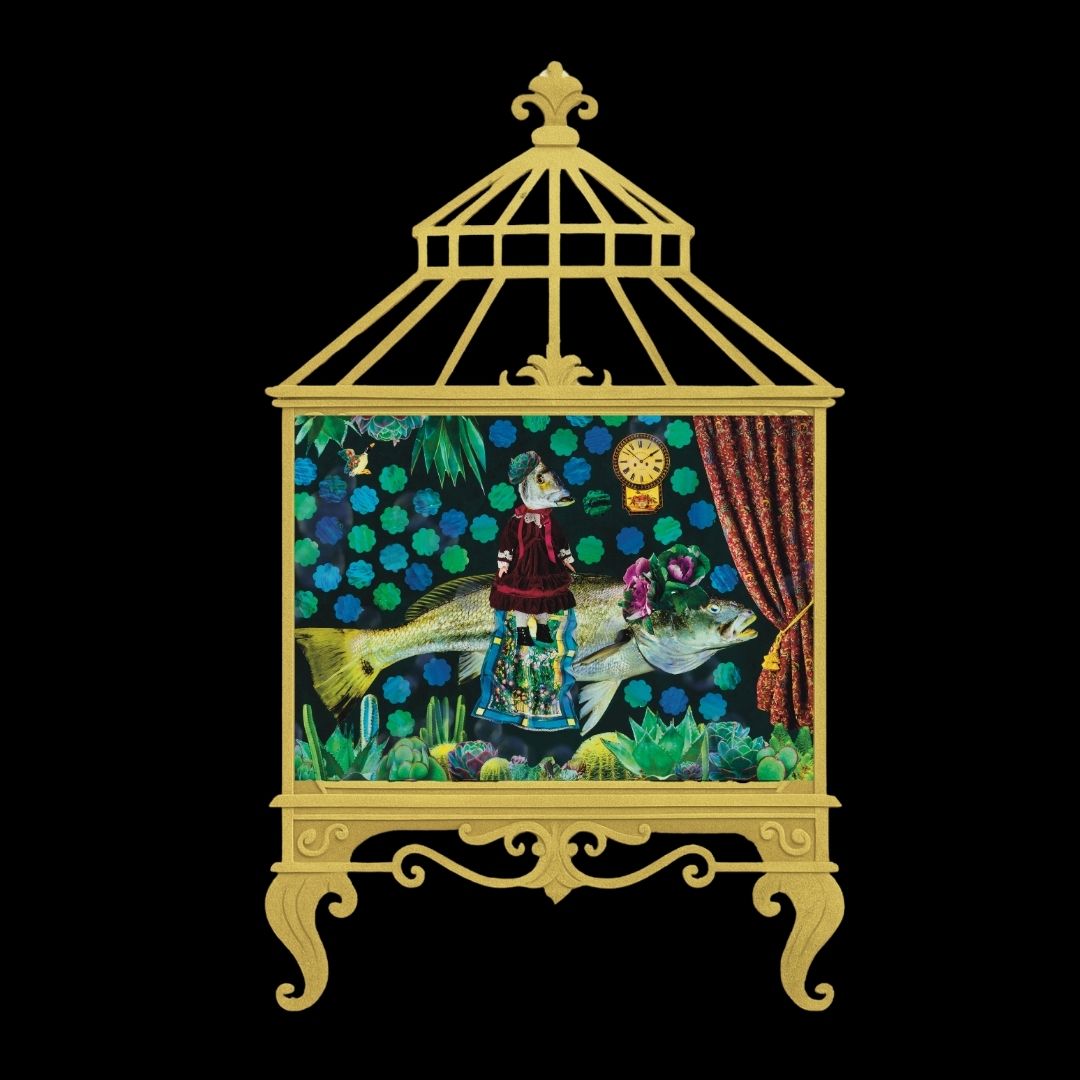

U Shape Us card games are designed to spark imagination and build connection and belonging across all ages. |
Sign up to our newsletter
|
We acknowledge the Ngunnawal and Ngambri people, Traditional Custodians of the land on which we live, learn and work.
We pay our respects to their Elders, past and present.
Copyright © 2023 | Fiona McIntosh | ABN: 12 955 363 996 | U Shape Us | All Rights Reserved
Privacy Policy | Terms and Conditions | Website Disclaimer
We pay our respects to their Elders, past and present.
Copyright © 2023 | Fiona McIntosh | ABN: 12 955 363 996 | U Shape Us | All Rights Reserved
Privacy Policy | Terms and Conditions | Website Disclaimer
Site powered by Weebly. Managed by CheaperDomains.com.au