|
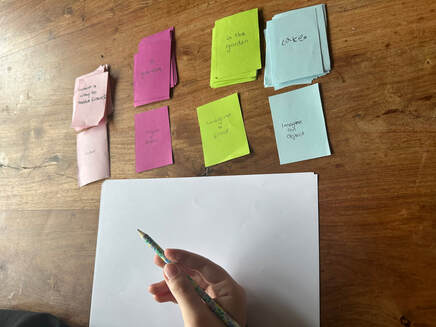
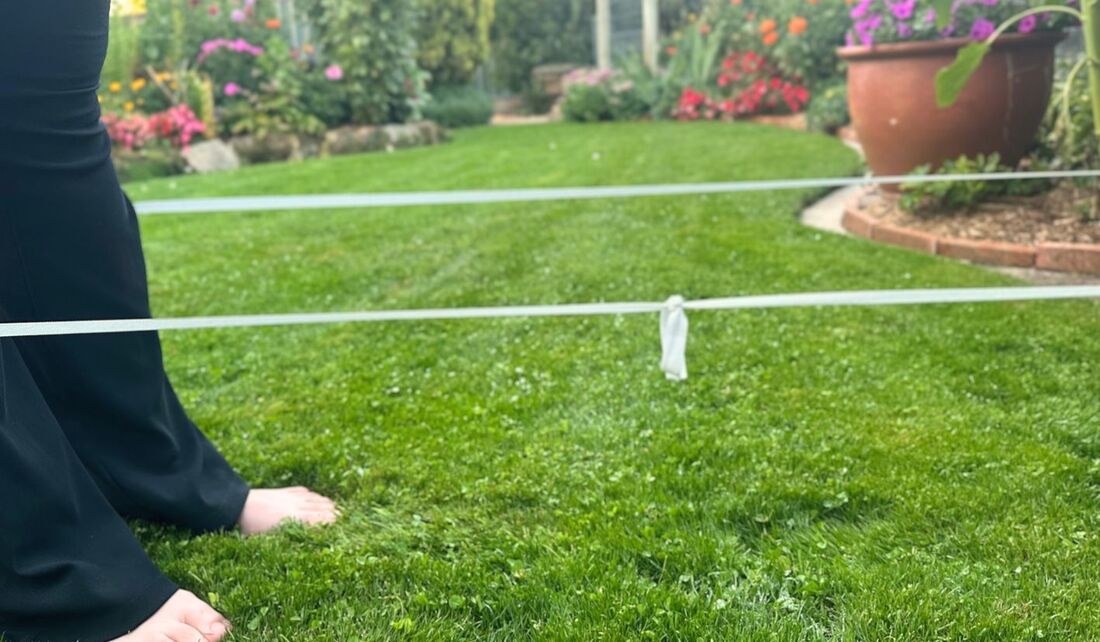
A Canberra story about the past we inherit, the future we imagine, and a very large fish. Back in 2019, Molly was six. She was struggling to go to school. She felt shy. She felt like she didn’t belong. Many mornings we sat in the car park because she was too upset to go inside. At home, we started playing with an idea. We made a simple prompt game using scraps of paper. We would flip over cards and brainstorm ways she might make friends. One of the ideas she came up with was taking an elastic to school. She invited other kids to play. They joined in. Then they started bringing their own elastics. Eventually the school brought elastics too. That moment made me wonder: what if imagination could help people feel like they belong more? That was the beginning of our first game U Shape Us.
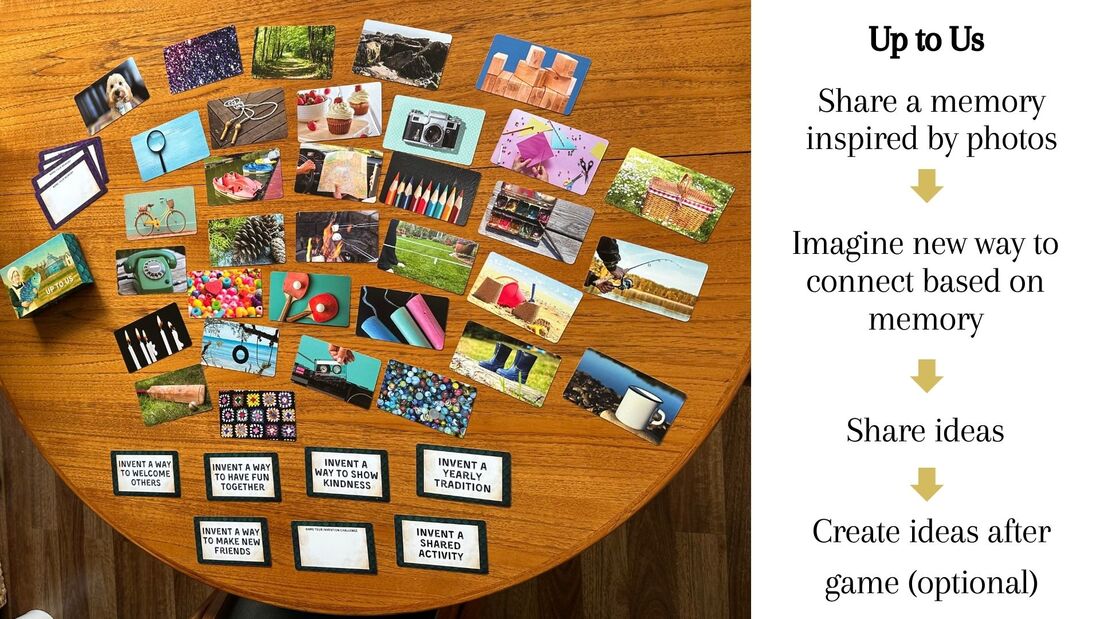
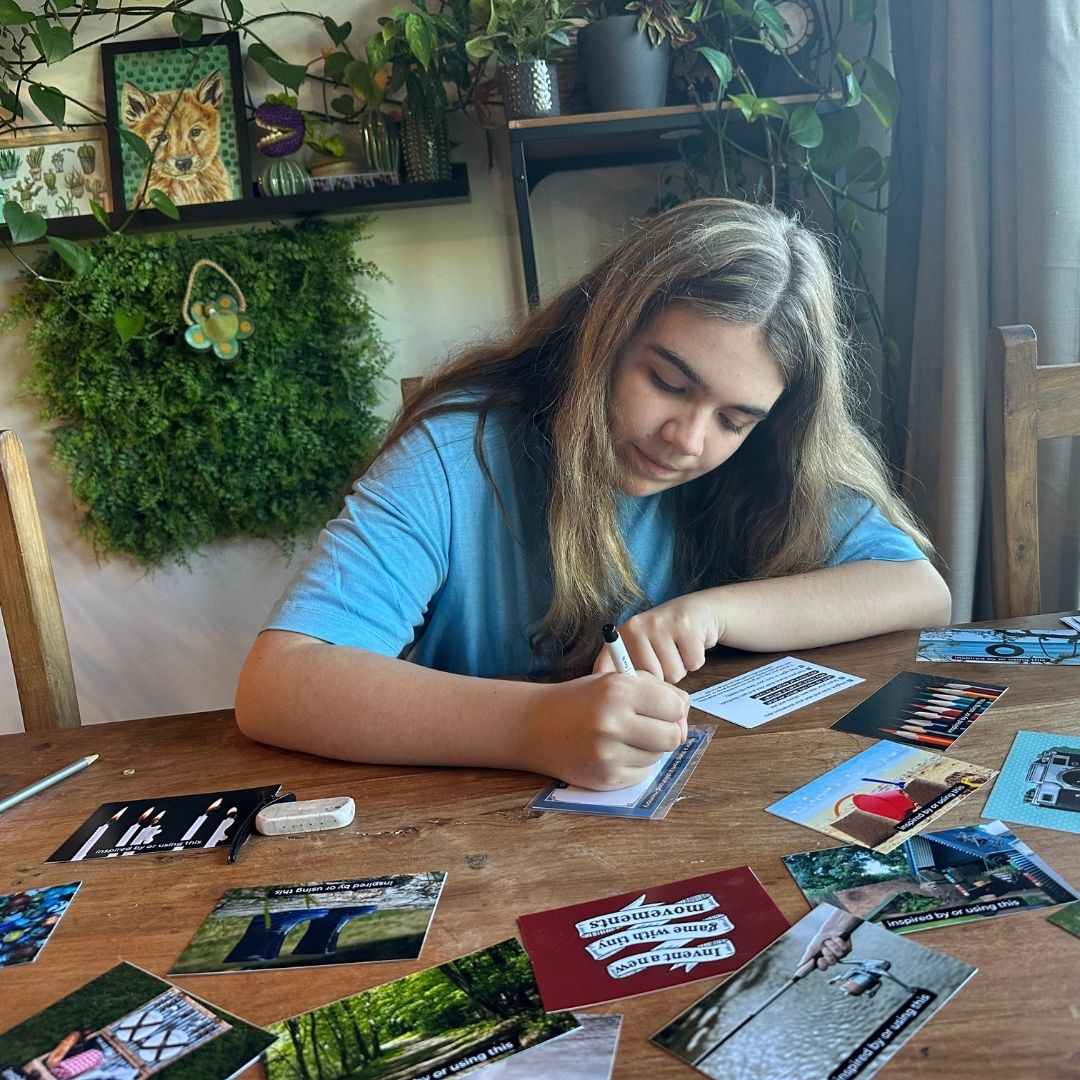
Creativity as a bridge to belonging Over five years, U Shape Us grew into a simple connection game. You flip over prompts. You come up with connection ideas. You draw them. You ask, “What do you like about my idea? How can we make it better? How could we bring it to life?” It started at our kitchen table. Now schools and community programs are using it across Australia and beyond. One of the most meaningful moments was when Molly played it with her grandparents. The photo prompts had us talking for ages about how Poppy played marbles at school and Nan played elastics. I had played those same games as a child. in the 1980s. It struck me that memory travels. Games travel — physically, socially, generationally. And belonging can grow wherever people gather to share them. We kept noticing when people share memories and ideas, you begin to see their inner world. You relate differently. You become more curious. For instance when our game was played at Gordon Primary School in Canberra one child shared: “This game can really help you… it gets everything inside of you — your doubts, your enjoyment — onto the page, so you can make new friends and show yourself to others the way they never saw you before.” Another said, “It makes you feel like I can actually share my ideas… It helps to make you brave.” Designing for older people In 2023, we were in the final stages of testing U Shape Us when I had coffee with social researcher Dr Hugh Mackay. He spoke about loneliness. About older people in aged care who hadn’t had a visitor in years. He encouraged us to explore our work further for older people. That conversation stayed with me. He connected me with Samantha Herron, who tested our original game in her Seniors and Teens Empathy Program in Sydney. The feedback was thoughtful and practical. Bigger cards. Simpler rules. A slower pace. A few months later, when we started selling U Shape Us at markets, older people would stop and talk with us. When they heard the game was about belonging, several told us they felt a low sense of belonging in their communities, in their workplaces, and sometimes even in their own families. One older woman said to me, “You should develop a game for us. Older people have wonderful imaginations, you know.” I began to imagine the form of our new game, designed with older people in mind. We didn’t have the means at that point, only the desire. But when you begin imagining something into being, you start to notice pathways. Listening and testing You In 2024, with support from a Start Some Good fellowship and a loan from the June Canavan Foundation, we took the leap and developed a new game. We tested it with families, with seniors’ groups through Woden Community Services, and with the Multicultural Communities Council of Illawarra. We spoke with community development workers and aged care staff. We asked what worked. We changed what didn’t. What people loved most was simple: sharing memories, listening to stories, learning new things about people they already knew. Some of the connection ideas that came out of sessions were small and joyful. A knitting group with music from the 80s. A social picnic with backyard cricket. A mini-bus photography tour. Not grand plans. Just sparks. Each game was different. Each table felt different. We launched Up to Us in August 2025. You can see a video of that here. What Up To Us is
Seeing each other At its heart, Up To Us is not really about cards. It’s about what happens when we pause long enough to imagine someone else’s memories and ideas. Research in social psychology, including the work of Professor Susan Fiske on dehumanisation and social perception, has shown that when we imagine another person’s thoughts and feelings, we are more likely to see them as fully human. That insight shaped the original design of U Shape Us, and it remains central to Up To Us. When grandchildren hear their grandparents talk about marbles, or cassette tapes, or leaving gumboots out for St Nicholas, something shifts. Older people are no longer “from another time.” They are rich with fascinating stories and interesting ideas. And when older people listen to the inner worlds of younger generations, that shift happens there too. Young people are no longer reduced to screens or stereotypes. They are thoughtful, creative, and trying to make sense of the world. Sharing memories and stories across generations, across cultures, across difference, humanises us. The Murrumbidgee cod
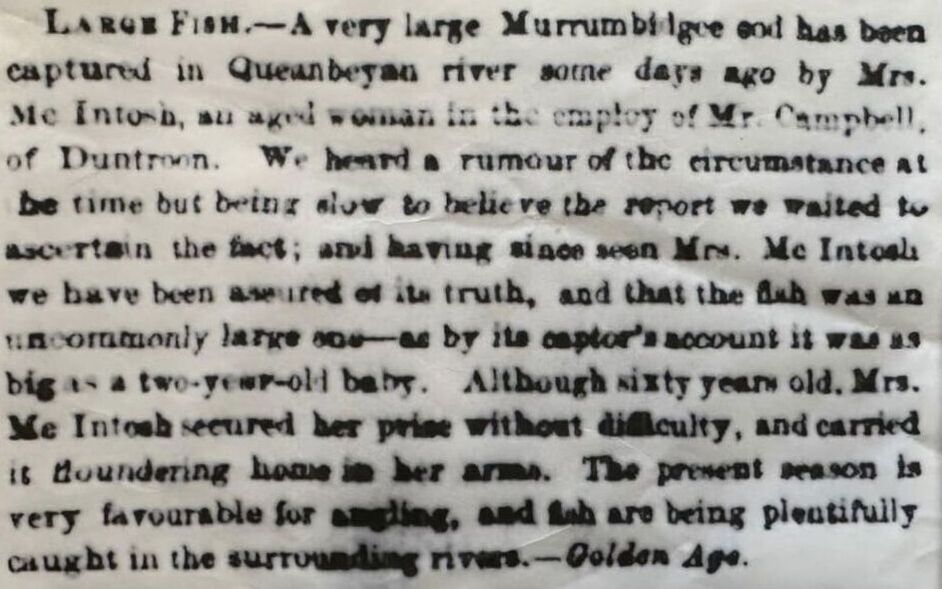
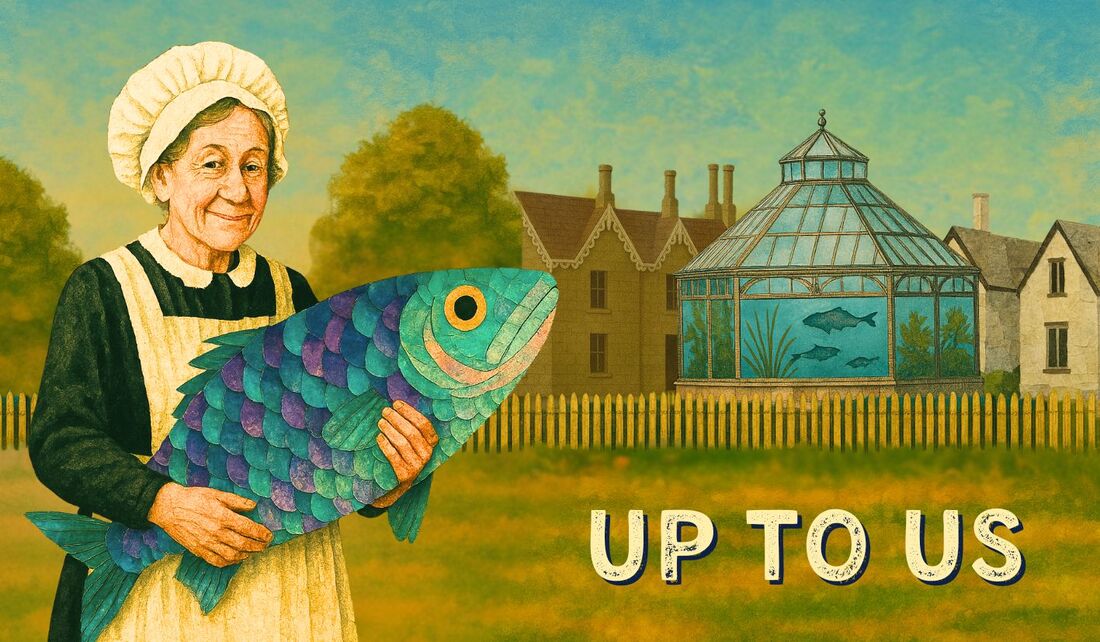
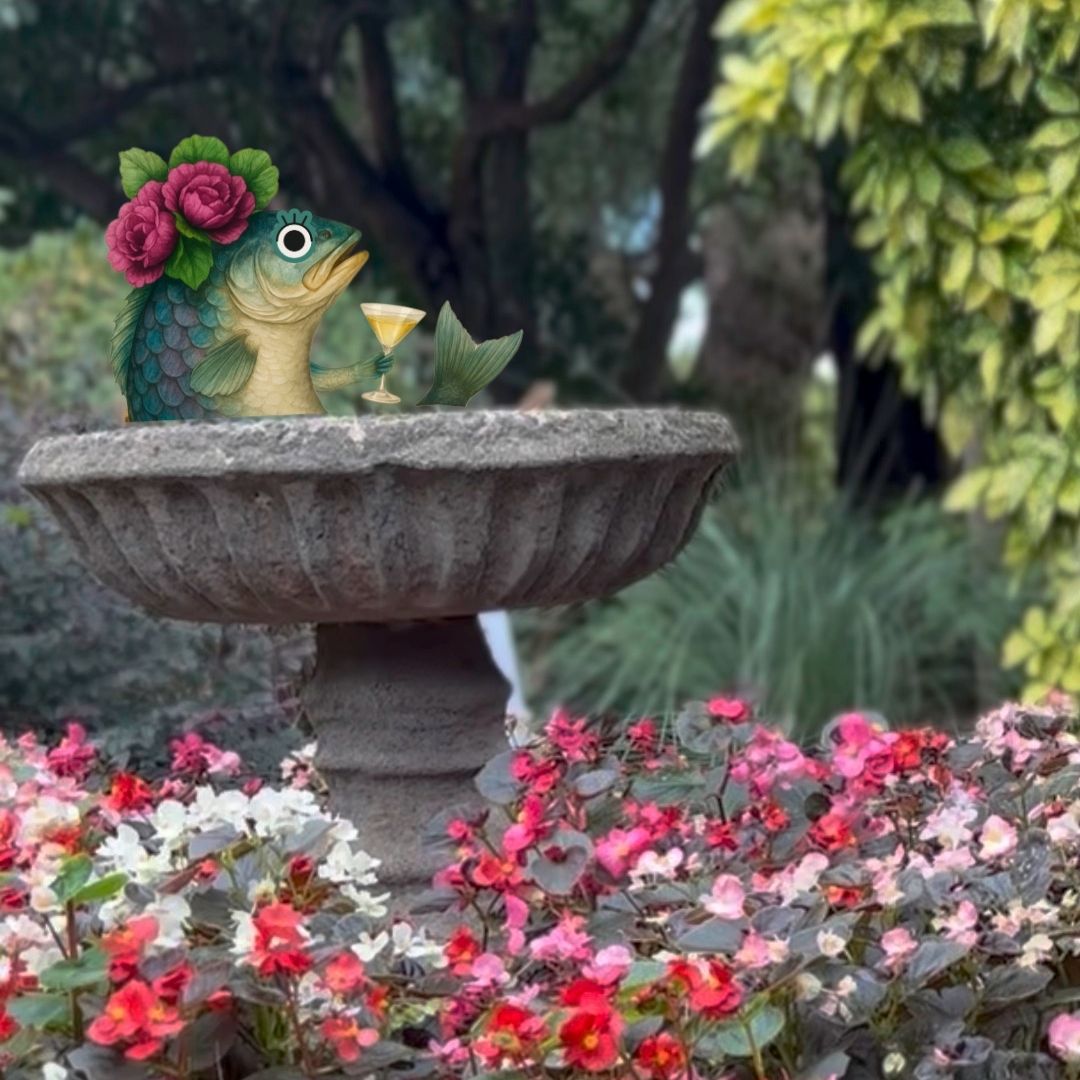
In 1862, my four-times great-grandmother, Christina McIntosh, who lived in the Canberra region and was a servant at Duntroon, was reported in a local newspaper for catching a Murrumbidgee cod the size of a two-year-old and carrying it home alive.
It is a matter-of-fact report. No mythology. Just an account of strength and determination. When she appeared in my mind as the character for the front of the Up To Us game box, I thought about the choices she made and the values that shaped the generations that followed. I think about the conversations my parents and grandparents had around their kitchen tables. The way stories were shared without hurry. The way listening mattered. And I think about the choices we make now. What do we carry forward? What do we pass on? As technology accelerates, attention fragments, families live farther apart and public life feels more divided, I worry that the ordinary practice of sitting and truly listening to one another will become rarer. Up To Us is a small response to that concern. A way of slowing down. Of seeing each other’s inner worlds. Of remembering that imagination is not just play. It is how we recognise one another as fully human. We inherit ways of being together through our stories. And what we pass on is, in the end, up to us.
0 Comments
Leave a Reply. |
Connect with U Shape Us
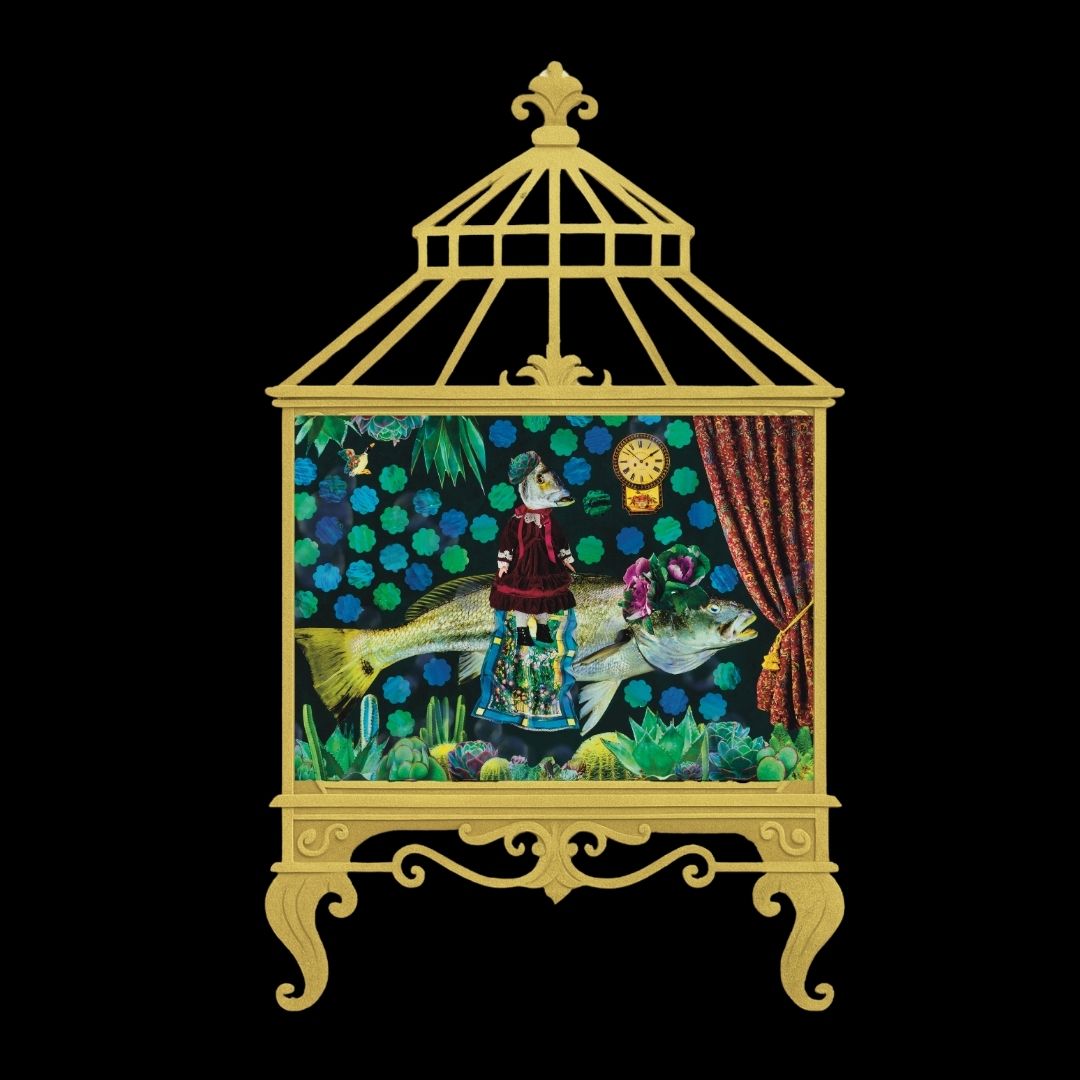
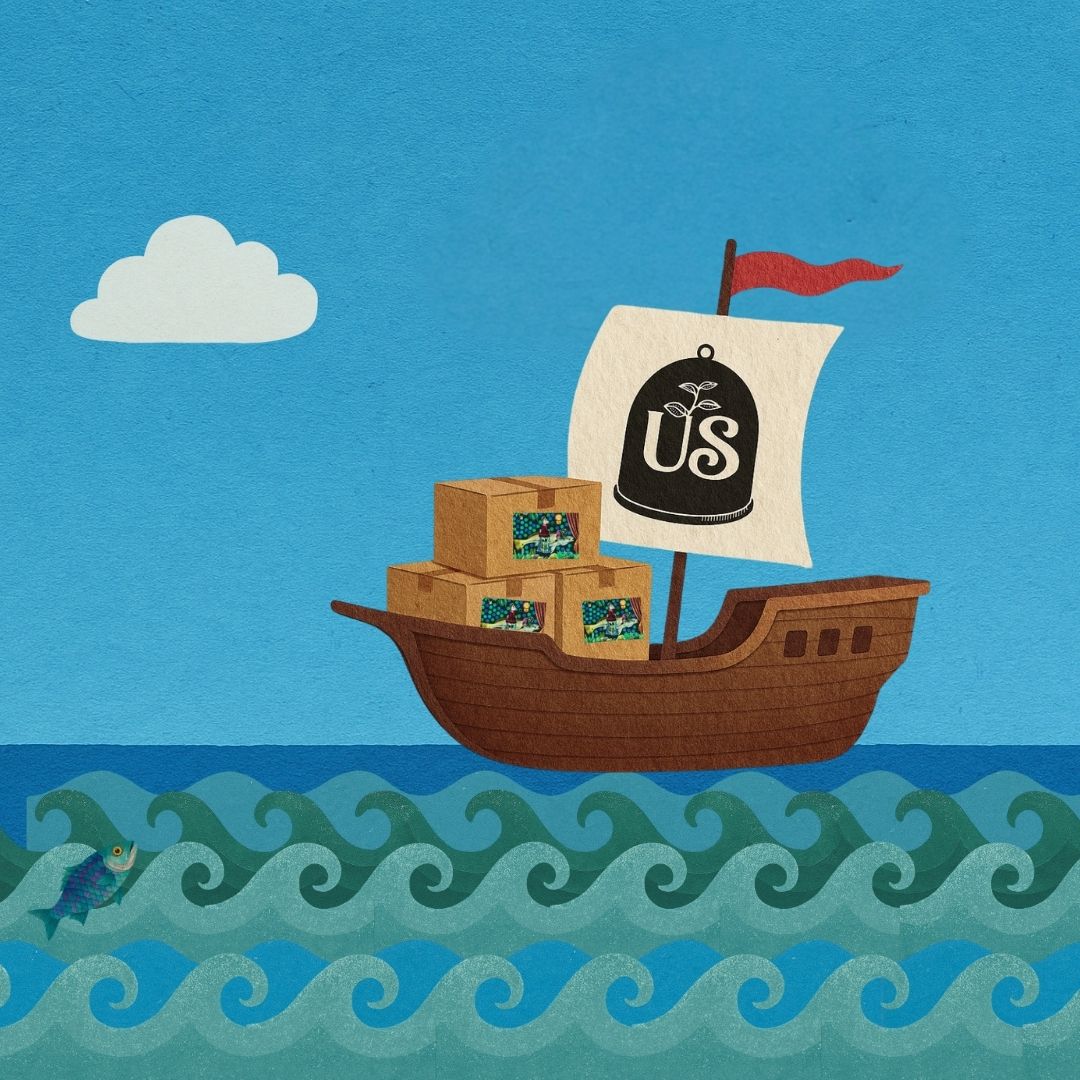

U Shape Us card games are designed to spark imagination and build connection and belonging across all ages. |
Sign up to our newsletter
|
We acknowledge the Ngunnawal and Ngambri people, Traditional Custodians of the land on which we live, learn and work.
We pay our respects to their Elders, past and present.
Copyright © 2023 | Fiona McIntosh | ABN: 12 955 363 996 | U Shape Us | All Rights Reserved
Privacy Policy | Terms and Conditions | Website Disclaimer
We pay our respects to their Elders, past and present.
Copyright © 2023 | Fiona McIntosh | ABN: 12 955 363 996 | U Shape Us | All Rights Reserved
Privacy Policy | Terms and Conditions | Website Disclaimer
Site powered by Weebly. Managed by CheaperDomains.com.au